


“Commitment” and “sharing”: A day to build the future of LIACOM and ESCS UNESCO Chair
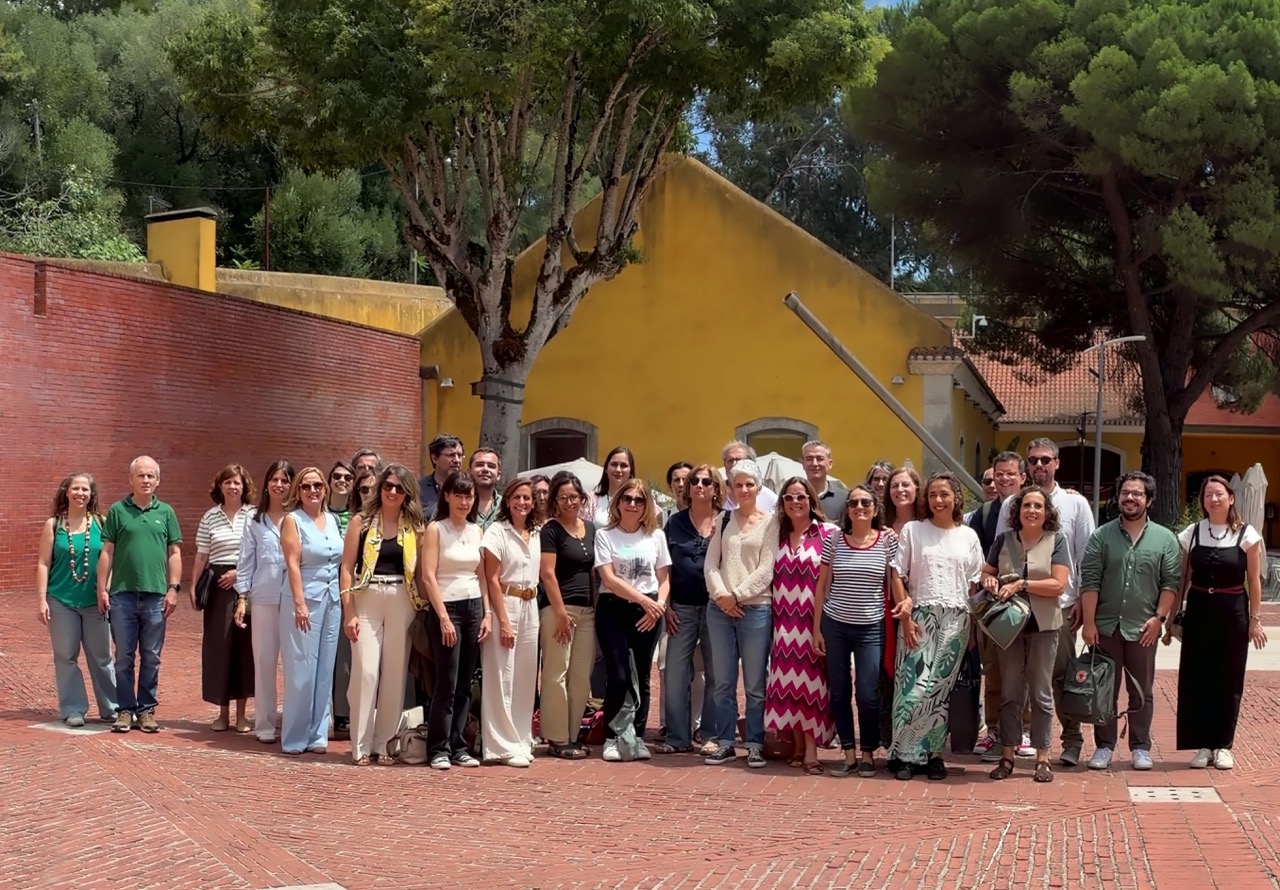
Under the theme “A collective journey in three acts – Identity, Connection and Action,” around 40 lecturers and researchers from ESCS gathered on 14 July 2026 at Universidade Atlântica – Fábrica da Pólvora, in Oeiras, for the 2nd LIACOM Researchers’ Meeting and the 2nd Residency of the ESCS UNESCO Chair of Communication, Media and Information Literacy, and Citizenship. The president of IPL, António Belo, joined researchers throughout the day.
The programme was designed to strengthen connections among colleagues, showcase the work that has been carried out, and create opportunities for the development of new collaborative projects.
Act I: Identity – Who are we?
The morning began with a presentation of the achievements of LIACOM (Laboratory of Applied Research in Communication and Media) and its research structures: the Landscape Museum, the Oral History Archive of Communication Professions, the Journalism Trends Laboratory, the Public Communication Campaigns Observatory, the Advertising, Brands and Consumption Observatory, and the UNESCO Chair of Communication, Media and Information Literacy, and Citizenship.
During this session, researchers reviewed the work carried out over the past academic year, sharing research projects, funding applications, established partnerships, and ongoing initiatives. The session also introduced new research opportunities that will be launched in the near future, paving the way for future collaborations.
The presentations made the work developed by the different teams more visible and helped identify connections between research areas that do not always intersect in day-to-day academic life.
The coffee break extended this spirit of sharing in an informal setting, around a table filled with food and drinks brought by the participants themselves.
-
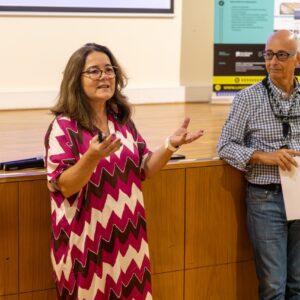
- Fernanda Bonacho (holder of ESCS UNESCO Chair) and Jorge Veríssimo (director of LIACOM)
-
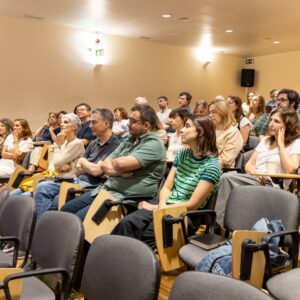
- Participants during the first session of the meeting
-
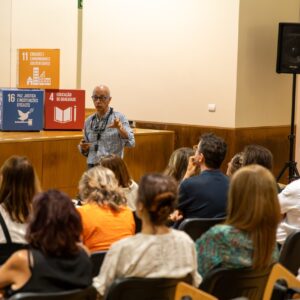
- Jorge Veríssimo (director of LIACOM)
-
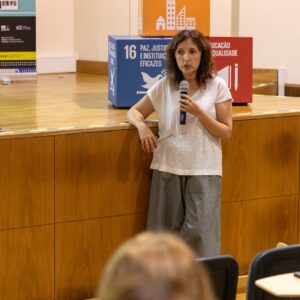
- Maria José Mata (coordinator of the Media, Culture, and Technology research strand)
-
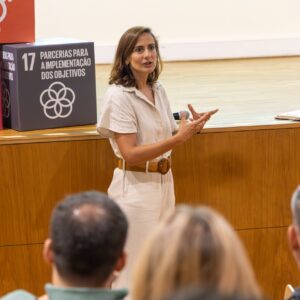
- Ana Raposo (coordinator of the Communication, Strategies, and Creativity research strand)
-
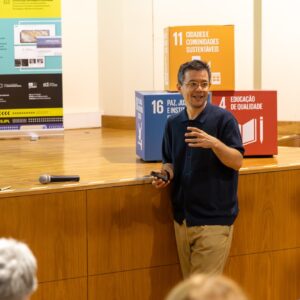
- Ricardo Pereira Rodrigues (representing the Landscape Museum)
-
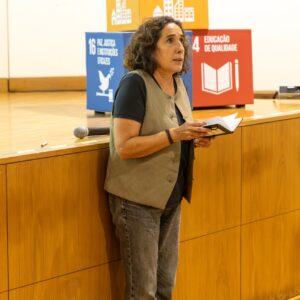
- Júlia Leitão de Barros (representing the Oral History Archive of Communication Professions)
-
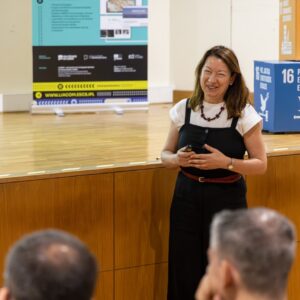
- Fátima Lopes Cardoso (coordinator of the Journalism Trends Laboratory)
-
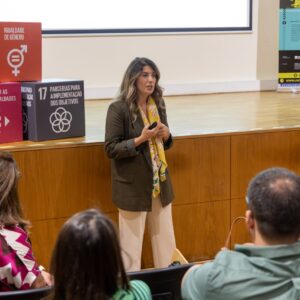
- Tatiana Nunes (coordinator of the Public Communication Campaigns Observatory)
-
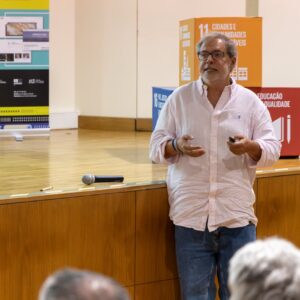
- Rui Gonçalves (coordinator of the Advertising, Brands, and Consumption Observatory)
-
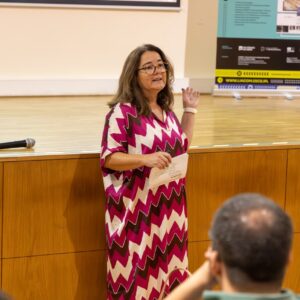
- Fernanda Bonacho (holder of ESCS UNESCO Chair)
-
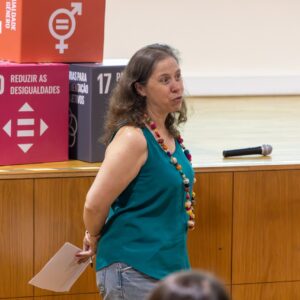
- Margarida Alpuim (project assistant at ESCS UNESCO Chair)
-
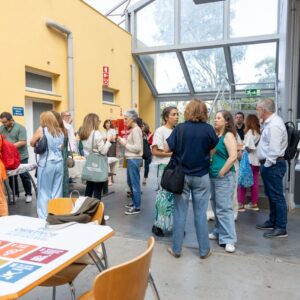
- Coffee break
Act II: Connection – How do we come together?
From reflection to interaction. In the second part of the morning, researchers were encouraged to step outside their usual routines through activities designed to build trust, foster closer relationships, and strengthen teamwork, essential elements for successful research collaboration.
The session, led by actor and trainer João Fartaria, featured body and voice exercises that challenged participants to communicate in different ways and establish new connections.
Lunch time naturally extended this atmosphere of conviviality, allowing many of the conversations started during the morning to continue informally.
-
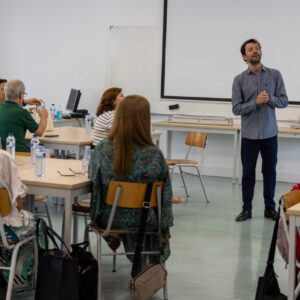
- João Fartaria, actor and trainer
-
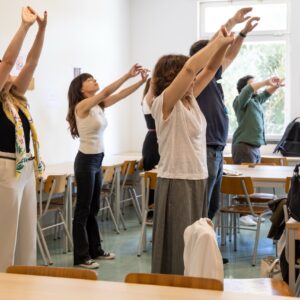
- Participants warming up for the body and voice exercises
-
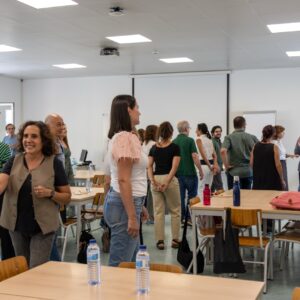
- Group dynamics
-
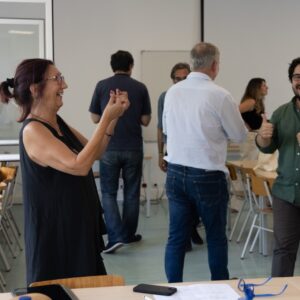
- Group dynamics
-
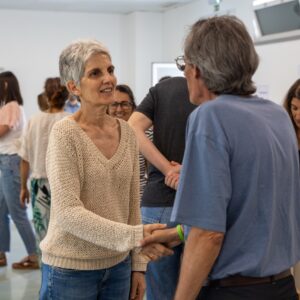
- Group dynamics
Act III: Action – What will we build together?
The afternoon focused on shaping the future. Working in thematic groups, participants identified research opportunities and developed ideas for collaborative projects.
To encourage interdisciplinary exchange, researchers were invited to join groups with colleagues with whom they do not usually work.
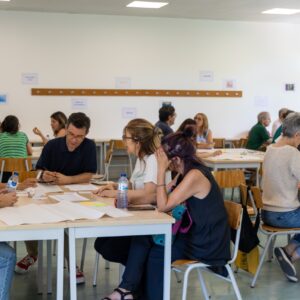
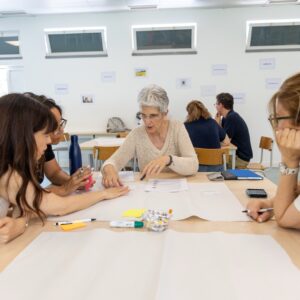
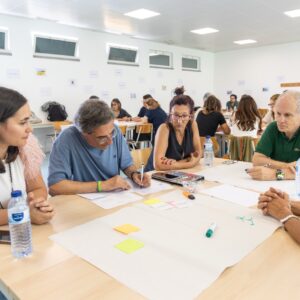
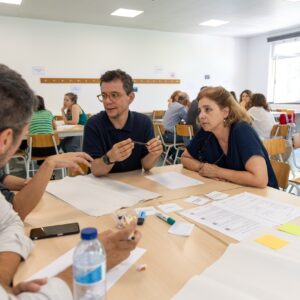
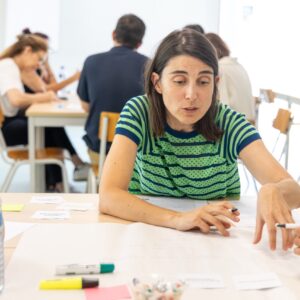
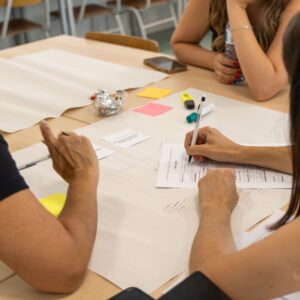
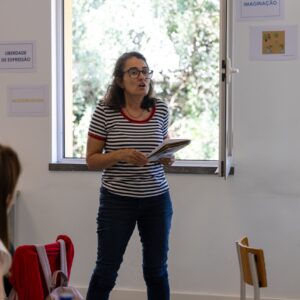
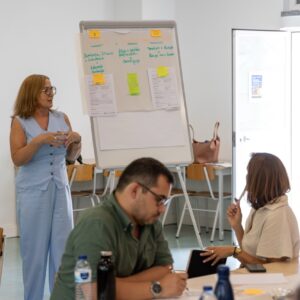
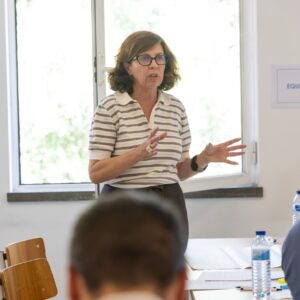
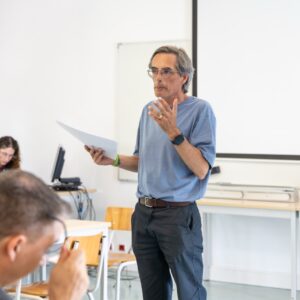
The diversity of experience and expertise inspired lively discussions, resulting in a number of proposals that will now be further developed with the support of LIACOM and ESCS UNESCO Chair.
The meeting concluded with the presentation of the LIACOM Roadmap 2026–2030, outlining some of the strategic priorities that will guide both the research centre and the UNESCO Chair in the years ahead.
-
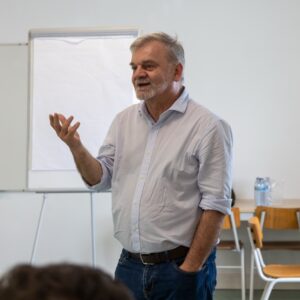
- António Belo, IPL president
-
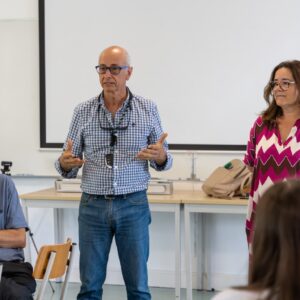
- Jorge Veríssimo and Fernanda Bonacho closing the event
At the end of the day, participants described the meeting as a moment that “facilitated both work and encounters,” highlighting the importance of “companionship,” “sharing,” “commitment,” and of creating time and space to talk, get to know one another, and work together.
