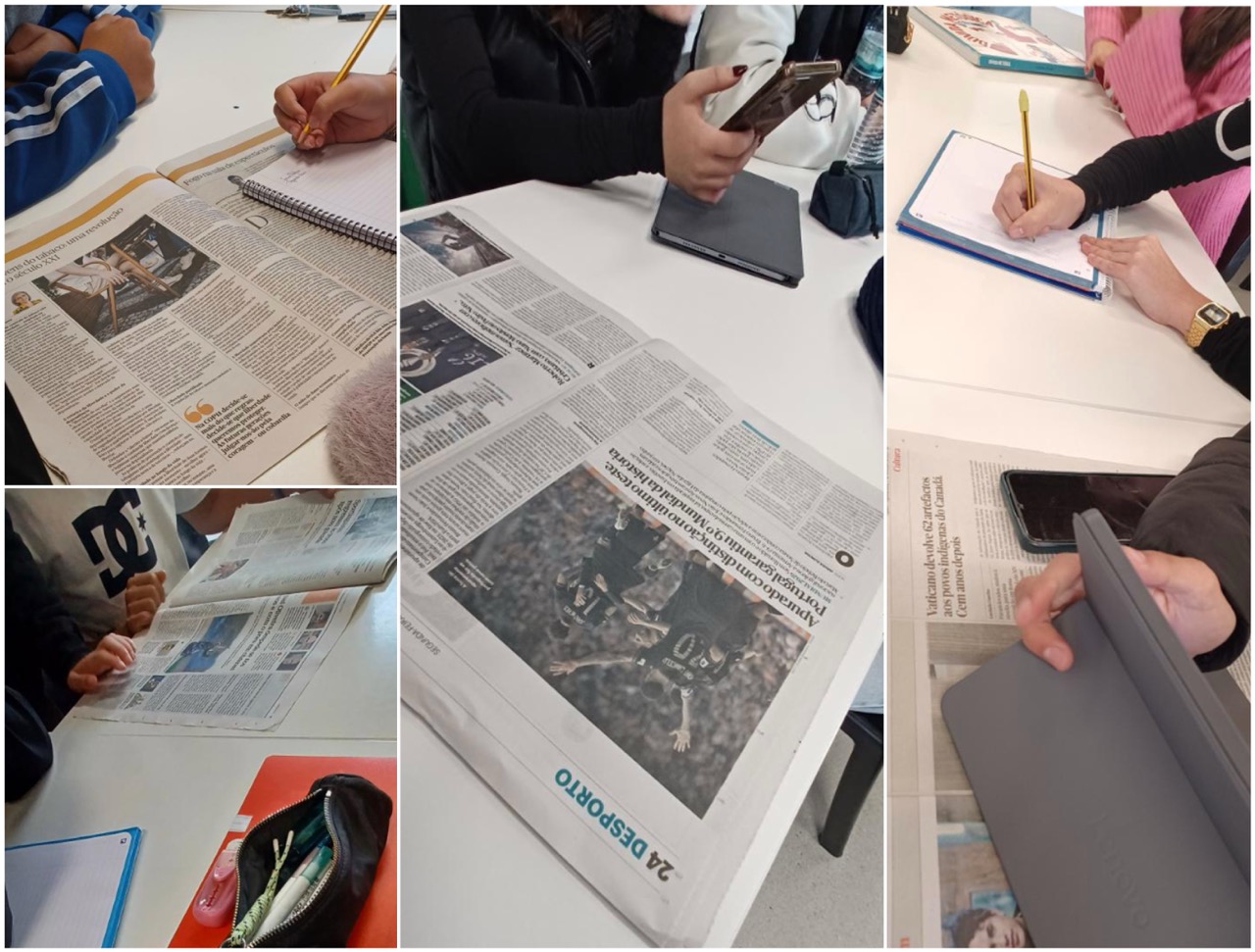
The pilot edition of LIDERA – Reading Daily Information to Choose, Reflect and Act came to an end in May this year, confirming the potential of a cascading training model to strengthen media literacy and critical news reading in Portugal. A new edition, to be held in the next school year, is already being planned. […]
News
Keep up to date with the initiatives of the ESCS UNESCO Chair
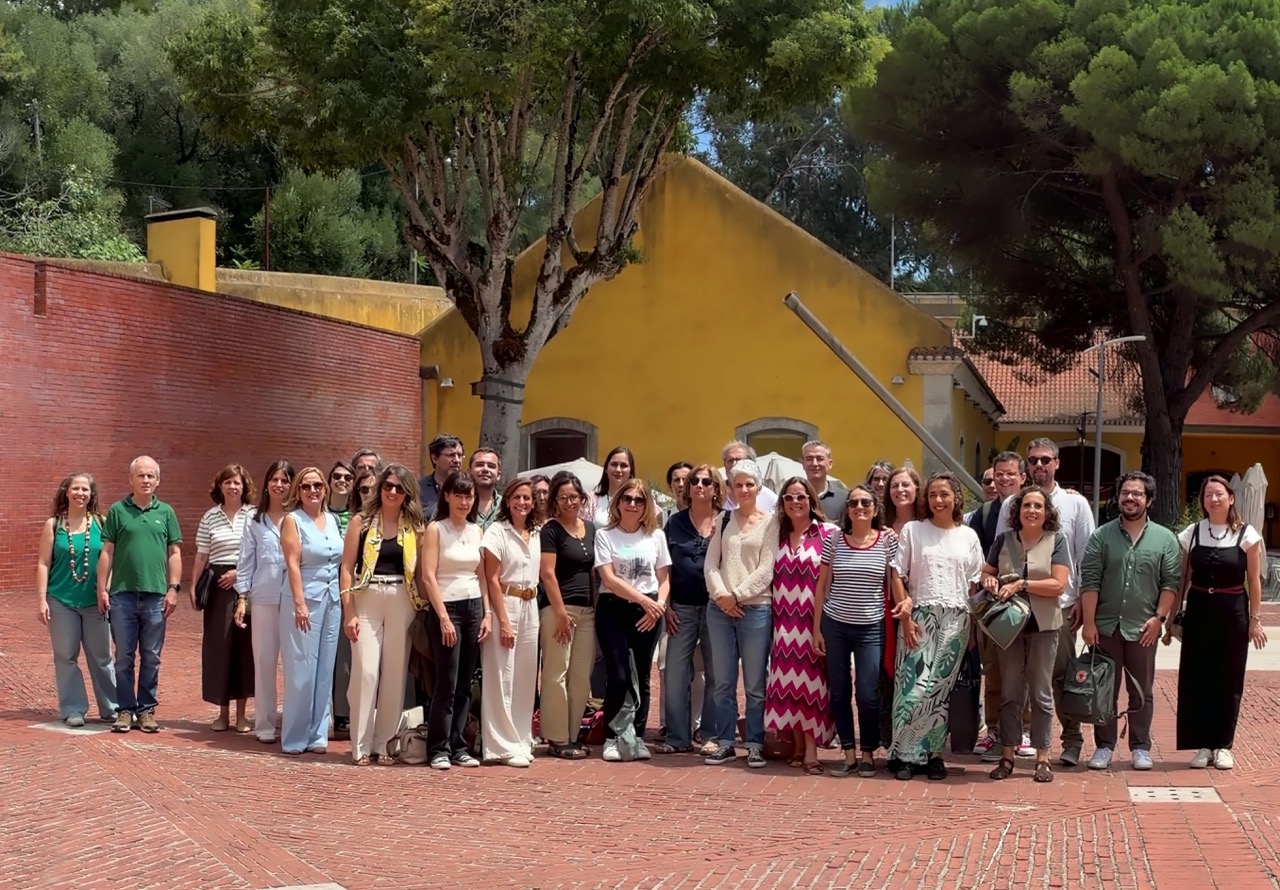
Under the theme “A collective journey in three acts – Identity, Connection and Action,” around 40 lecturers and researchers from ESCS gathered on 14 July 2026 at Universidade Atlântica – Fábrica da Pólvora, in Oeiras, for the 2nd LIACOM Researchers’ Meeting and the 2nd Residency of the ESCS UNESCO Chair of Communication, Media and Information […]
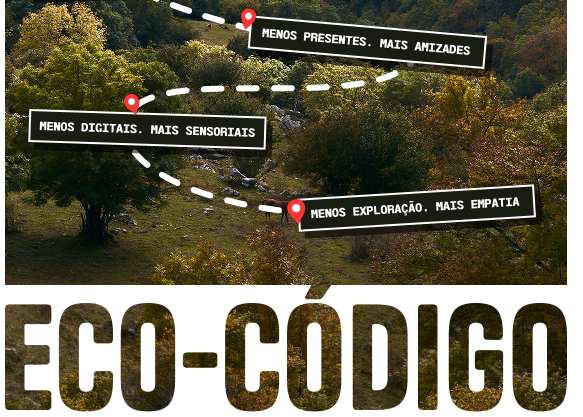
The Eco-Code poster selected by the School of Communication and Media Studies (ESCS) for the 2025/2026 academic year challenges the community to turn intentions into concrete actions and invites everyone to choose one action they are committed to contributing. The Eco-Code is one of the seven steps of the Eco-Schools Programme, of which ESCS is […]
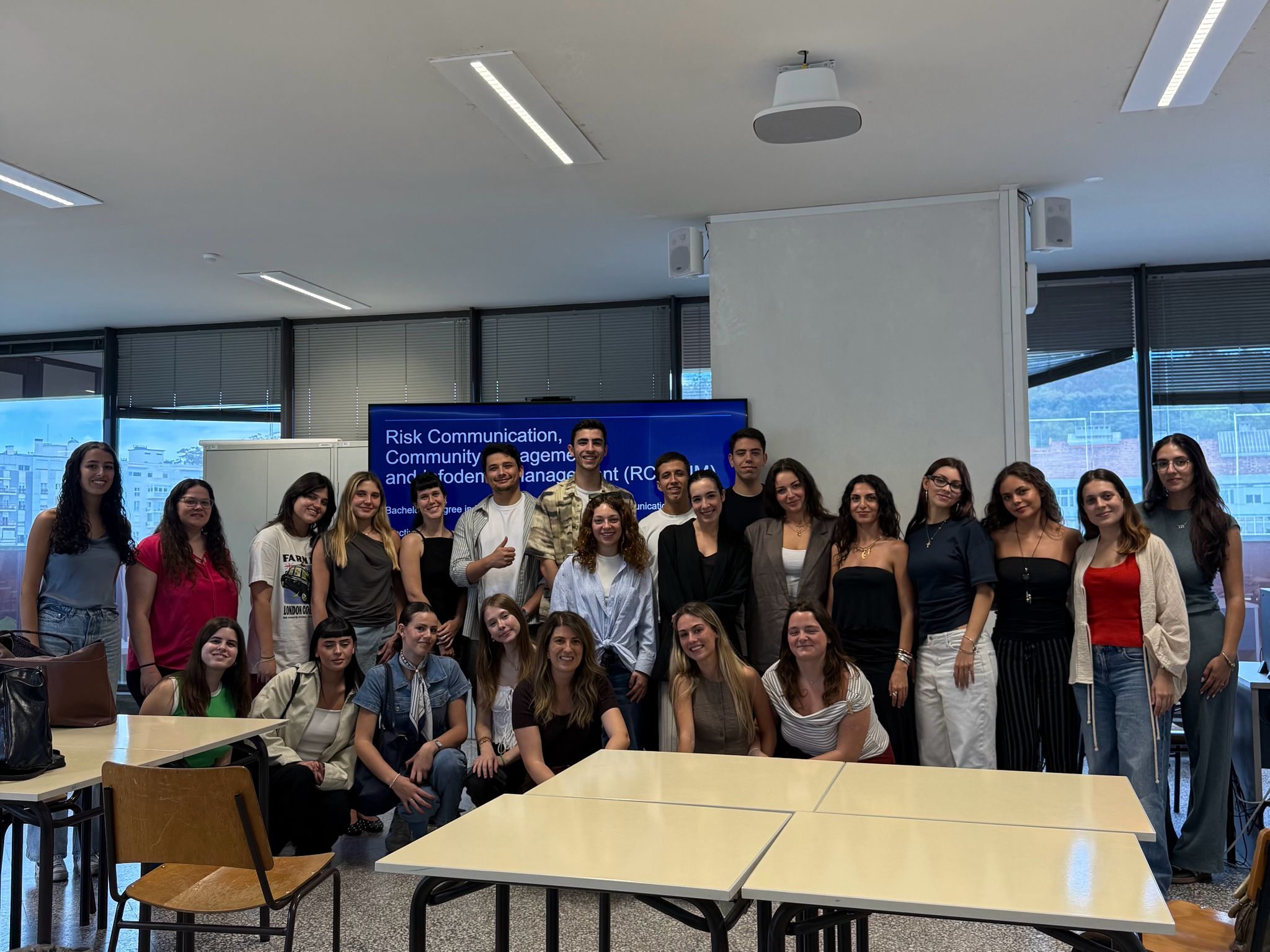
During the second semester of the 2025/2026 academic year, students of Public Relations and Corporate Communication (RPCE) at the School of Communication and Media Studies (ESCS) had the opportunity to take part in the pilot edition of the elective course Risk Communication, Community Engagement and Infodemic Management (RCCE-IM), developing competencies in a field that is […]
The UNESCO Chair of Communication, Media and Information Literacy, and Citizenship (LIACOM/ESCS) team expresses its profound sadness and heartfelt sorrow at the passing of Professor João Abreu, co-holder of the ESCS UNESCO Chair, researcher at LIACOM and professor at the School of Communication and Media Studies (ESCS), and extends its heartfelt condolences to his family, friends, […]
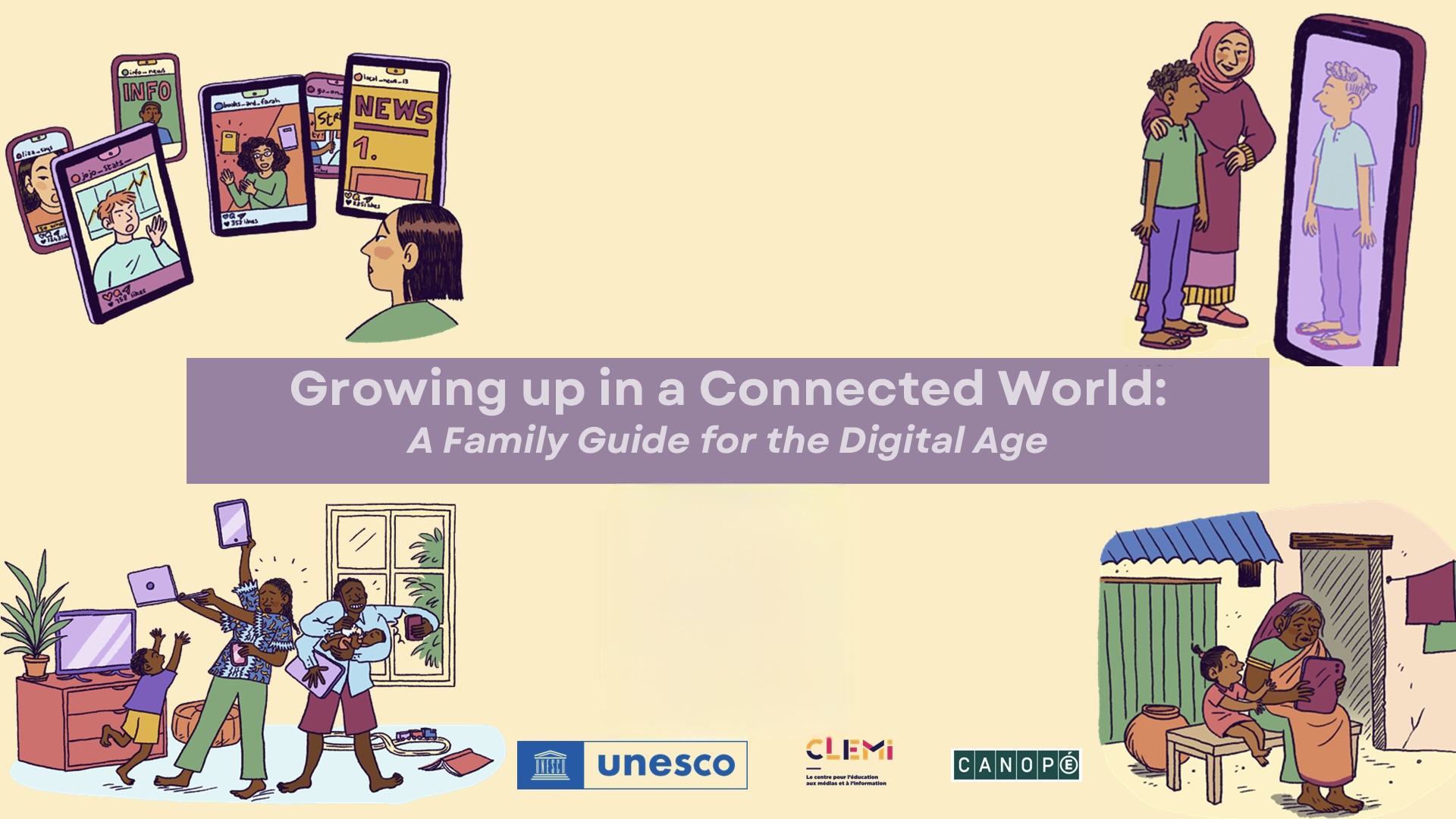
On 22 June, UNESCO released Growing Up in a Connected World: A Family Guide for the Digital Age, developed in partnership with CLEMI and Réseau Canopé, to support families, educators, and communities in promoting a safer, more critical, and more responsible use of digital environments. The guide is available online in English, French, and Spanish. […]