


National Commission for UNESCO Conference: Media literacy in the protection of human rights
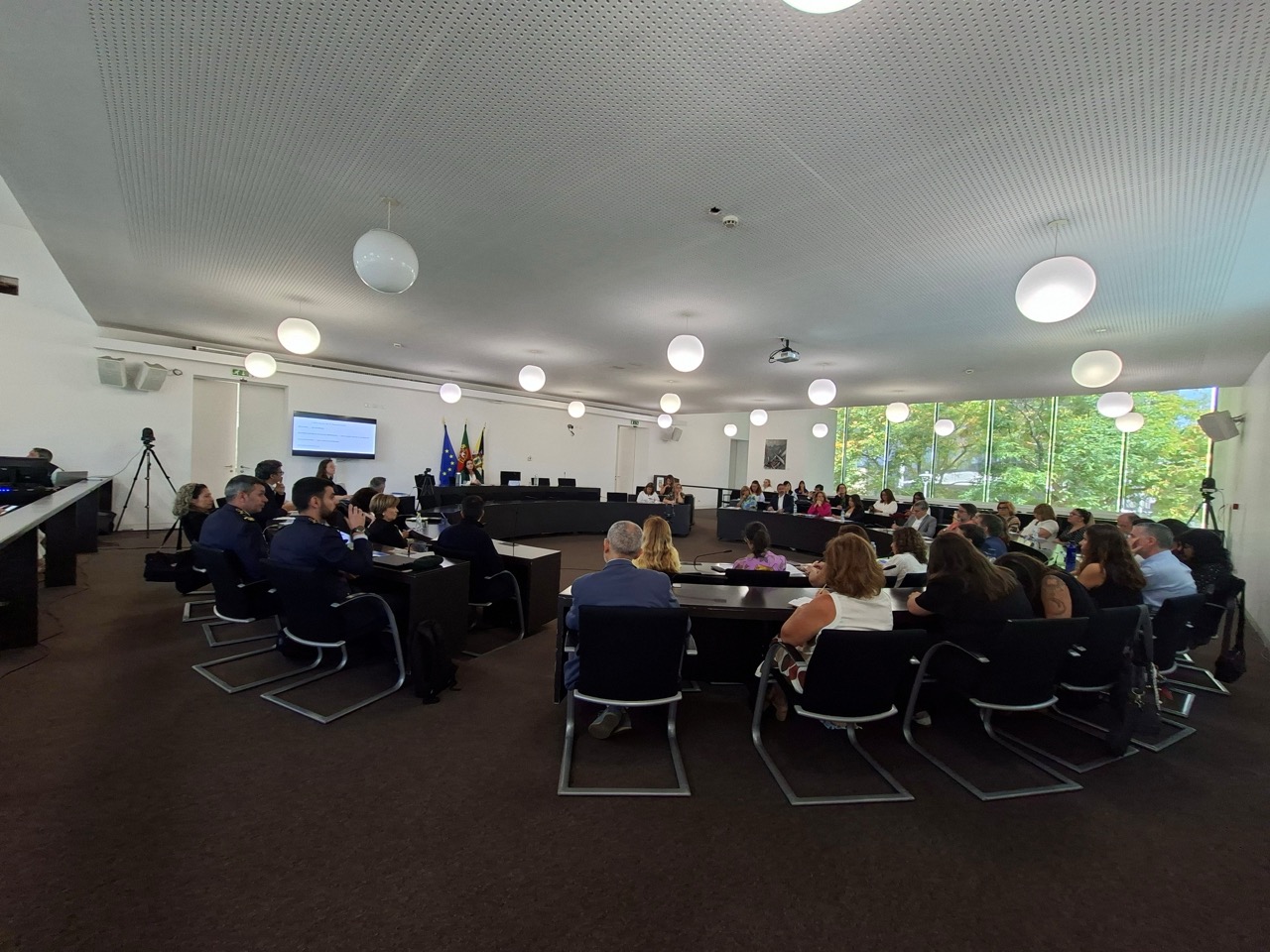
On 19 June, the city of Loures hosted the conference “Human Rights and Disinformation – Education as a Response to Manipulation,” an initiative of the National Commission for UNESCO (CNU), organized in partnership with Loures City Council, which is recognized as a UNESCO Learning City.
The UNESCO Chair on Communication, Media and Information Literacy and Citizenship (LIACOM/ESCS) took part in the event, with Fernanda Bonacho, chairholder of the UNESCO Chair, researcher at LIACOM, and lecturer at the School of Communication and Media Studies (ESCS), participating in the second panel, which focused on education for informed citizenship.
The discussion also featured Luís Pereira dos Santos, president of the Executive Board of EduQA; António Marcelino, responsible for the Education Department at Loures City Council; and Alexandre Le Voci Sayad (online), journalist, educator, and UNESCO advisor on media literacy. The panel was moderated by journalist Francisco Sena Santos.
The discussion began by highlighting the importance of working with local communities, with examples shared from initiatives developed by the ESCS UNESCO Chair in Benfica and by Loures City Council. Luís Pereira dos Santos agreed on the need to strengthen collaboration with the wider community, stating that schools “must look beyond their walls” and should be actively engaged with society’s “major social challenges.” The panel also emphasized the value of mapping media literacy initiatives across cities, with Alexandre Le Voci Sayad presenting work carried out in Amman, Jordan. He described this effort as “a political undertaking,” underscoring the need to “build a network that protects human rights and information ethics.”
Earlier in the day, the conference’s first panel focused on the protection of human rights in an age of manipulable information.
The conference brought together representatives from public institutions, experts, researchers, and professionals from a wide range of fields – including communication, education, human rights, artificial intelligence, and media literacy – to discuss the impact of disinformation and information manipulation in today’s digital environments.
Throughout the morning, speakers stressed the importance of equipping citizens with the skills to critically assess information, recognize manipulative practices, and strengthen civic participation, with the aim of building more democratic, inclusive, and resilient societies.
A recording of the conference is available on the official CNU YouTube channel (in Portuguese).
