


ESCS scholar takes media literacy to the Council of Europe
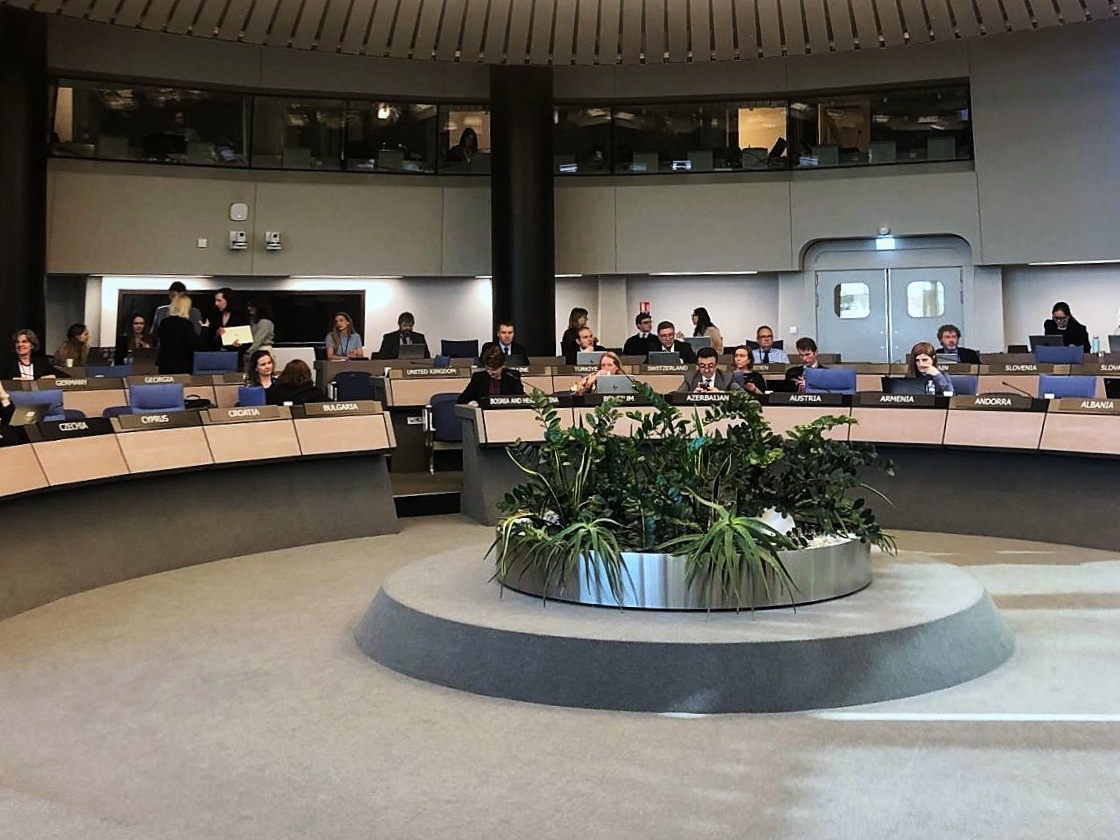
On April 9, the Council of Europe organized an Informal Exchange of the Committee of Ministers, in Strasbourg, dedicated to the theme “Freedom of Expression and Democratic Resilience,” featuring contributions from six experts from various European countries.
One of the invited speakers was Fernanda Bonacho, teacher at the School of Communication and Media Studies (ESCS-IPL), researcher at LIACOM, and Chairholder of the UNESCO Chair of Communication, Media and Information Literacy and Citizenship. She participated in the first panel, “Protecting journalism in a contested information environment.”
In her intervention, Fernanda Bonacho, who also coordinates the Master’s in Journalism at ESCS, addressed the relationship between media literacy, disinformation, democracy, and human rights. From the perspective of the UNESCO Chair at ESCS, media literacy should “be understood not as an educational supplement, but as a core democratic safeguard.”
This is also a guiding principle of the document “National Media and Information Literacy (MIL) Strategies: Practical Steps and Indicators,” published by the Council of Europe’s Steering Committee for Media and Information Society, to which Fernanda Bonacho also contributed last year.
Considering that disinformation operates transnationally and that “democratic vulnerability is cognitive and systemic,” media literacy initiatives should not be fragmented and must be grounded in scientific knowledge. Countries should therefore develop integrated public policies on media literacy, following a structured strategy that supports citizens throughout their lives.
Another key idea highlighted during the presentation was that media literacy is the responsibility of a wide range of social actors (digital platforms, regulators, academia, media organizations, policymakers, etc.). Moreover, media literacy should not focus exclusively on skills acquisition, but also on the defense of freedom of expression and the protection of human rights.
The remaining speakers addressed the urgent need to protect journalists in the exercise of their profession, the manipulation of information in the European context, the role of journalism in maintaining trust in public institutions, and the impact of artificial intelligence on the integrity of information.
At the end, the deputies of the member states represented at the meeting had the opportunity to ask questions to the speakers.
The session was organized by Moldova, which currently holds the rotating presidency of the Committee of Ministers of the Council of Europe.
